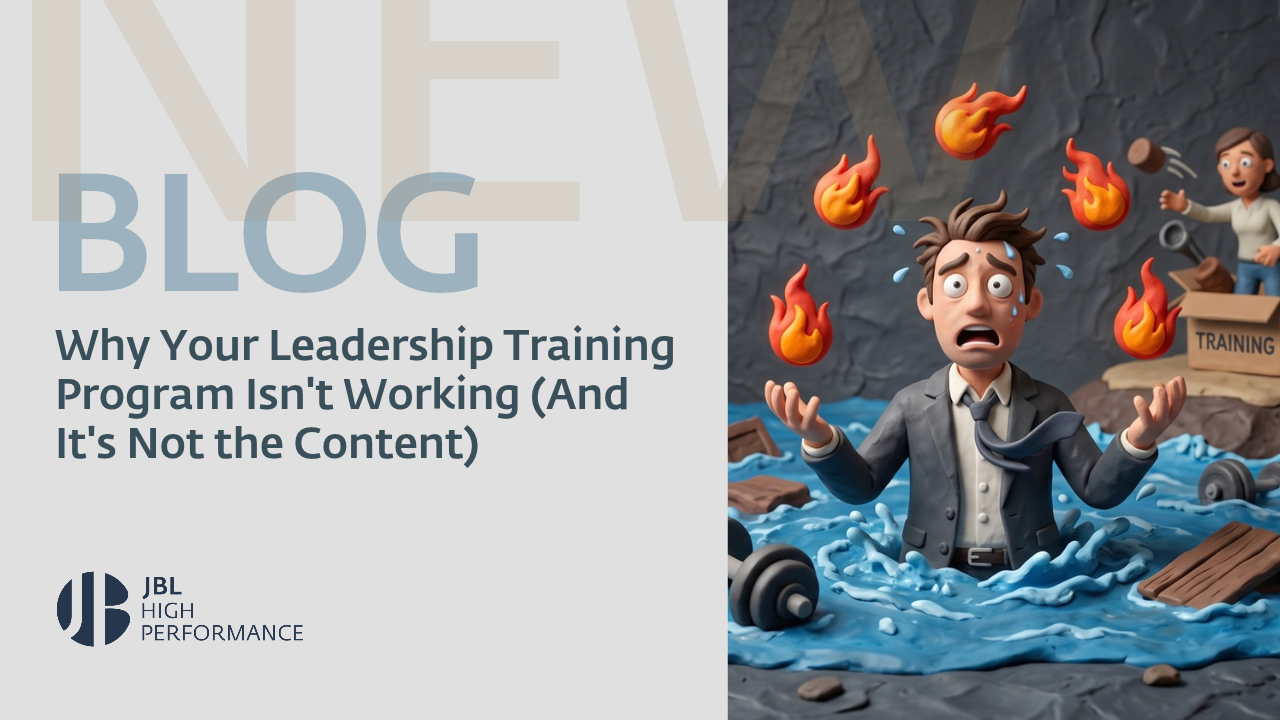
Why Your Leadership Training Program Isn't Working (And It's Not the Content)
If you've sent a manager on a leadership program recently, you've probably seen this pattern: they come back energized, talk about it for a week, and then nothing changes.
Practical, weekly articles on turning managers into leaders who run the business. Written by Jimmy Burroughes from real engagements with nearly 3,500 managers.
Weekly Leadership Insights
Practical ideas in your inbox every Tuesday
Jump into the leadership themes our library covers in depth.
New insights published weekly

If you've sent a manager on a leadership program recently, you've probably seen this pattern: they come back energized, talk about it for a week, and then nothing changes.

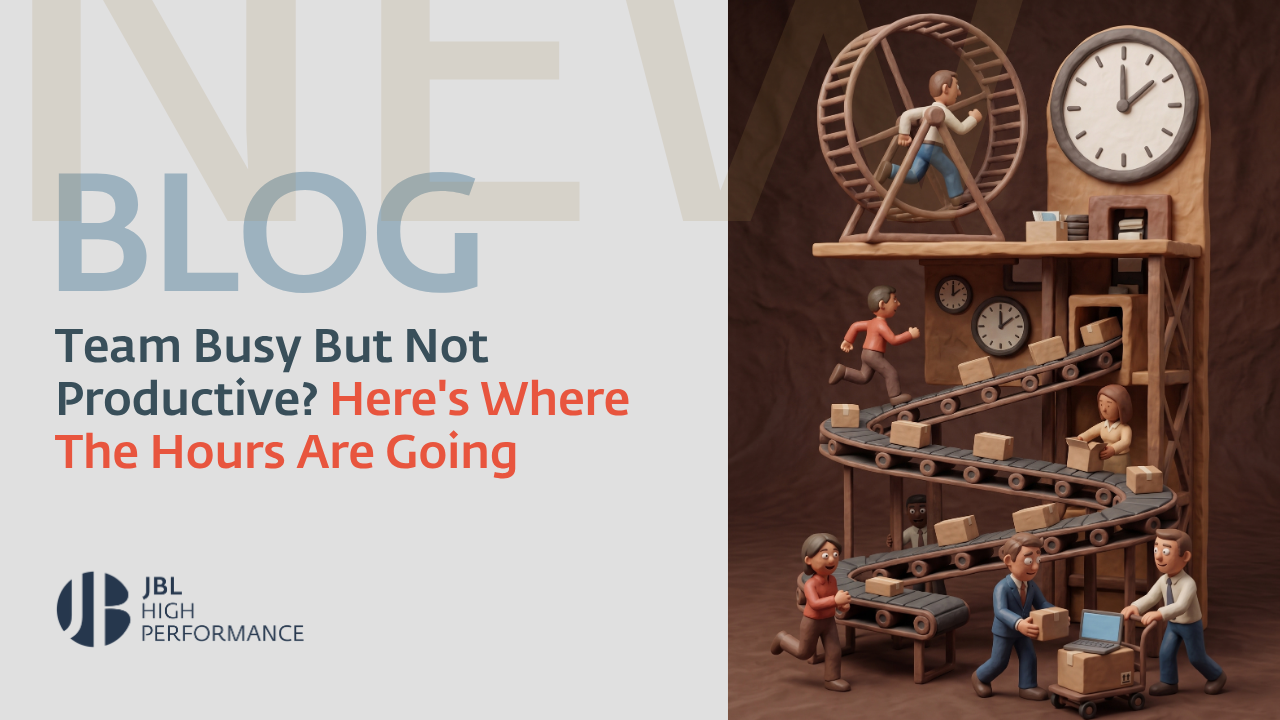
Answer: A team can be busy and unproductive at the same time because a large share of the week is going on work that belongs to somebody else. Escalations that should have died a level down, and the same exception handled every Tuesday because nobody has ever owned it. That work is real and it's tiring, and none of it turns into output. Count it for two weeks and you'll see the size of the gap.

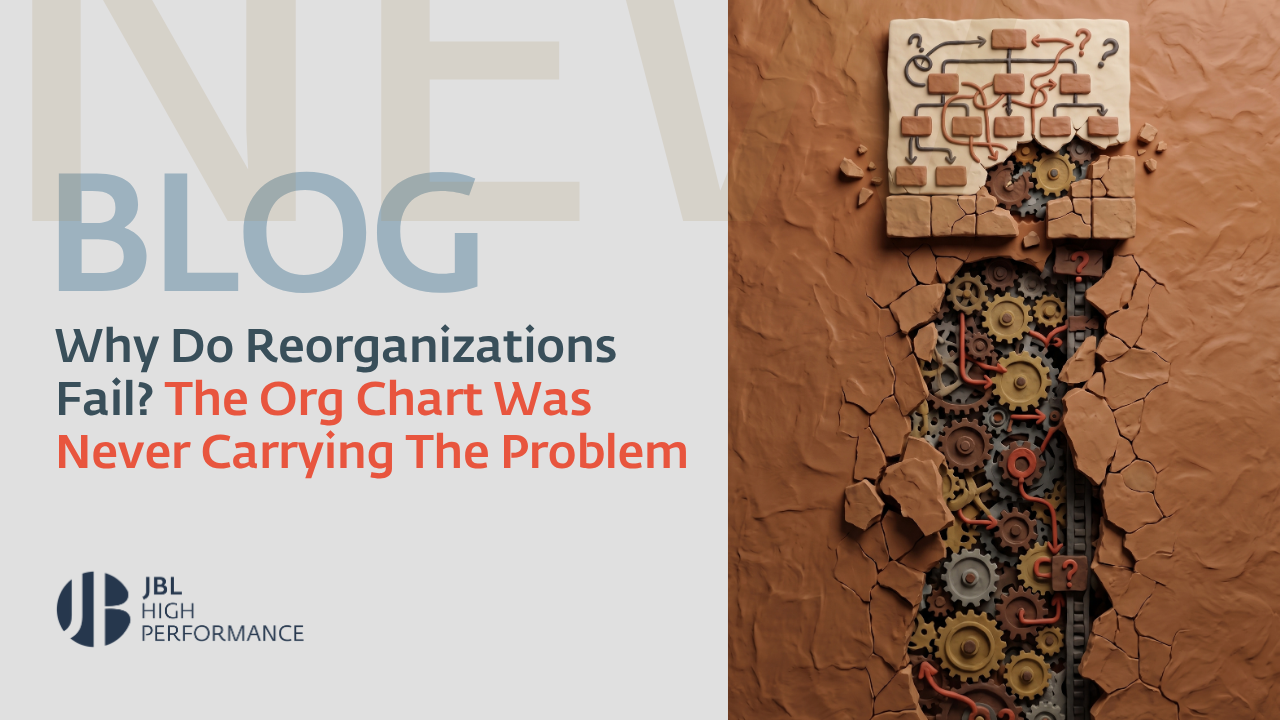
Answer: Reorganizations fail because they change who reports to whom and leave alone who's allowed to decide what. The escalations that pushed you into the restructure get a new route rather than an ending. Eighteen months on, the same calls are landing on the same desk under different job titles, and somebody opens the org chart again.

There's no magic number. Seven can be too many, fifteen can be fine. What sets your limit is how many of your reports' decisions turn up alongside them. Count what lands on your desk for a fortnight before you split a team or add a layer.

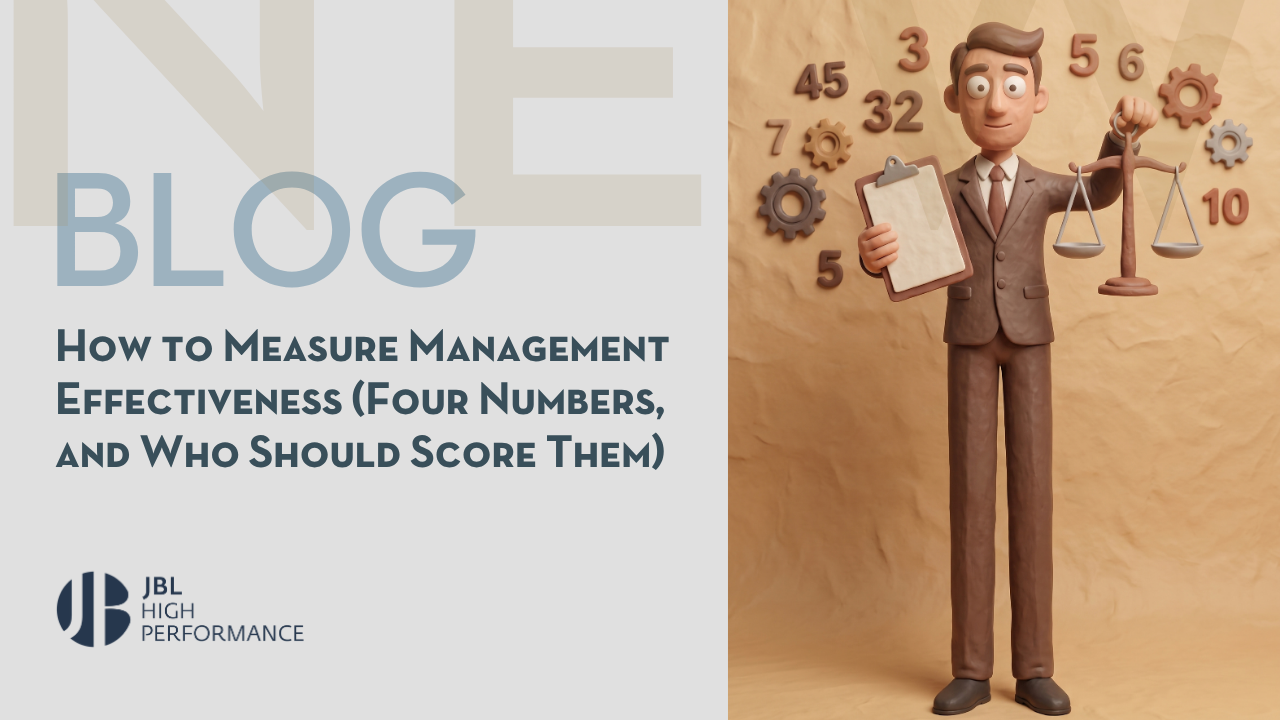
Your management scorecard is probably showing you satisfaction scores, completion rates, and self-rated confidence going up. Meanwhile the first ninety minutes of your day are gone before you've got your coat off.

There is a moment that happens in almost every operational business, usually without anyone noticing it happen. A high-stakes deal is on the table. A critical client relationship wobbles. A project that matters is heading sideways. And the most senior person in the room, the GM, the Head of Ops, the Sales Director, rolls up their sleeves and takes it over personally.

Everything lands on your desk. Decisions that should have been made two levels below. Escalations from managers who are capable but keep checking upward before acting.

Your managers are working flat out. Long hours, full meetings, constant emails. And yet the numbers are not where they should be, strategic priorities set at the start of the quarter are sitting untouched, and escalations keep landing on desks they should never reach.

Your management layer had a strong quarter. Reviews were happening. Decisions were moving. Escalations were down. Then slowly, without anyone deciding it, the operating rhythms drifted. A weekly review got skipped. A decision framework got ignored because escalating was faster. An accountability conversation did not happen because nobody wanted the conflict.
I once used an analogy with a client that I have never been able to improve on, so I keep using it. Leadership programmes are like painting the outside of your house with water-based paint. It looks fantastic the day you finish. The colours are clean, the coverage is even, everyone compliments the result. Then it rains, and six weeks later you are standing in your garden looking at exactly the same weathered surface you started with.
Your exec team sets direction. But direction without execution is a slide deck. The management layer is where strategy either becomes daily action or quietly dies - and if that layer is clogged with friction, nothing above or below it works properly. If your senior leaders are still firefighting, if escalations keep climbing, if the strategy looks right on paper but is not showing up in operations - the management layer is almost certainly where it is breaking down.
Performance is short. The leadership team cannot pinpoint why. So the org chart gets redesigned. It feels decisive. It is announceable. And six months later the same problems are back with different reporting lines. A restructure changes where people sit. It does not change how decisions, escalations, and friction move through the management layer. And in an operational business, it is the flow that determines performance - not the structure.
Short, plain-language definitions of the ideas that run through this library.
If your leadership layer is creating bottlenecks instead of clearing them, let us talk.
Common questions about leadership development, results, and the Simplify to Amplify method