How to Set Up Hybrid Working So Your Managers Can Still Lead
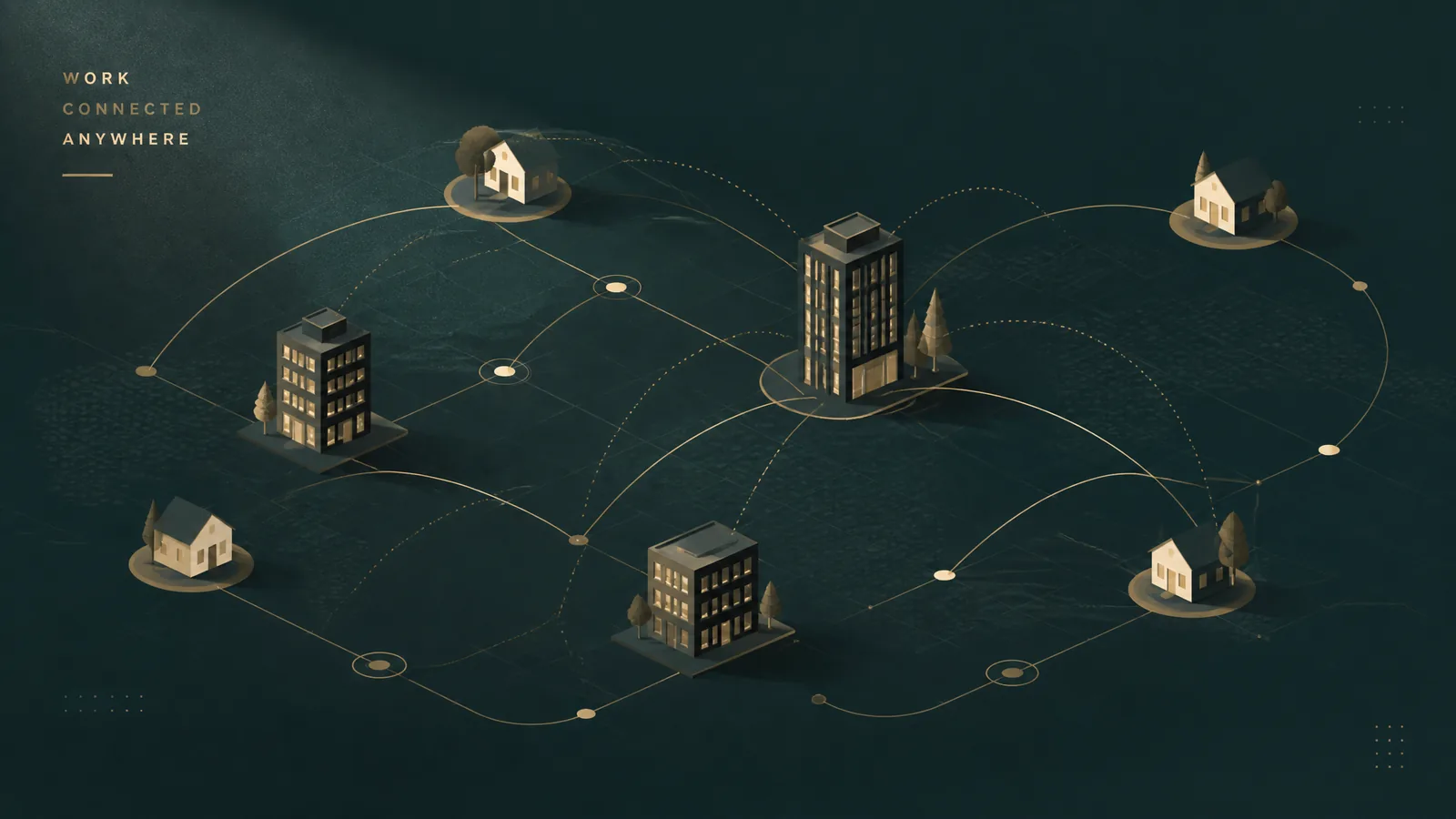
The concept of the Great Resignation and how businesses can configure themselves differently for the future, which will, for most, be comprised of hybrid workforces, is becoming a more notable topic.
Why Are People Resigning and Why Will the Future Become a Hybrid Workplace?
What we are experiencing is a combination of disconnected leadership and low company engagement alongside the fact that people who may have been looking for new roles in the run-up to Covid stayed put until things "blew over".
Whilst on lockdown, people were also given the time and space to reflect on both their personal and professional lives and made arrangements for working flexibly which they found suited them better than being in the office in a cubicle, away from the things they love the most.
The key piece here is most leaders think they did a good job managing their employees through the lockdown and the reality differs. Now we have the effect of a mass exodus of employees.
Are you the bottleneck?
Take the two-minute assessment and see exactly where work is queueing around you, and what to hand over first.
Key Statistics That Tell the Story
Sources: Hays, Forbes, LinkedIn, Microsoft.
- 41% say they felt unsupported by their employers and there is more to life than working for a company that doesn't engage them.
- 46% of people say they are likely to move because they can work remotely now.
- 37% of the global workforce say their companies are asking too much of them at a time like this.
- 20% think their employer doesn't care about their work-life balance.
- 54% feel overworked and 39% feel exhausted.
- 75% of people say the pandemic has made them question their skillsets.
- The average in-house pay rise is 1 to 3%, while the average external move pay rise is 7 to 15%.
Most leaders think they did a good job managing their employees through the lockdown. The reality differs.
So What Can You Do About This?
If you would like some practical ideas you can put into place today that will help your team adjust and keep them more engaged, I would love to chat. I have been working with a number of organisations in this space and I would love to help in one of three ways:
- A 90-minute workshop with you and your leadership team to help you get your head around the challenge and brainstorm some solutions. You will leave with a list of things you can tackle.
- A half-day deep-dive workshop where we cover the same as above but move more towards implementation and communication. You will leave with some quick wins in place and some medium and longer-term actions underway.
- A partnered rollout where I will partner with you and help you roll out a customised, effective hybrid workforce strategy and actions for your business. You will be part of rolling out a highly effective solution for your business guaranteed to help boost engagement in your teams.
If this sounds like your week
Your managers are not the problem. They are where the problem is stuck.
When your last leadership spend was signed off, did anyone go back to those managers' bosses and ask what changed? That question is the JBL Outcome Standard, and it is how I work.
- Find the friction. A short diagnostic that shows which decisions are stalling, and at what level.
- Am I the bottleneck? Ten questions on where your week is actually going.
- How I work with GMs. Six weeks, one hour a week, up to twelve of your managers, scored by their own bosses.
- Beat Burnout, Boost Performance. The book.
- The High Performance Leader podcast.
Managers I work with reclaim around four hours a week, and their bosses score the change 8.75 out of 10. Would it be a crazy idea to find out how we did this? Book a scoping call.
Start this week
Busy all day and still behind?
The Quick-Win Pack is five five-minute fixes for the overloaded leader, each built on a framework I use with paying clients. Every fix runs live on the page and hands you a finished, ready-to-use plan in minutes, with no AI account of your own needed. Just $19, and included free with AMPLIFY and the Six Week Reset.
Get the Quick-Win PackQuestions managers ask about this
How can managers stay effective in a hybrid working environment?
Managers need to recognise where decision-making stalls and identify bottlenecks in their teams. Regular check-ins with their own bosses and clear communication help address issues. Providing support tailored to hybrid challenges and focusing on practical solutions can maintain engagement and improve leadership effectiveness.
What are the main reasons employees leave in a hybrid work setup?
Employees often leave due to feeling unsupported, overworked, or undervalued, especially when their work-life balance suffers. Many seek roles offering remote work options and better pay. Companies that fail to engage or recognise these needs face higher turnover in hybrid environments.
What practical steps can improve team engagement in hybrid work?
Start by diagnosing where decisions get stuck and who the bottlenecks are. Implement quick wins like clear communication protocols and flexible schedules. Involve leadership teams in workshops to brainstorm and plan hybrid strategies, ensuring managers have the tools to lead effectively across remote and onsite settings.
Why do managers struggle with leadership in hybrid teams?
Managers often lack feedback on how hybrid working changes their role and may not adjust their approach accordingly. Without clear guidance and support from their own leaders, they can become bottlenecks. Regular evaluation of management practices and targeted development help them adapt and lead hybrid teams successfully.
Explore this topic
Hear this discussed on the podcast
Episodes of The High Performance Leader that cover the same ground.

Jimmy Burroughes
FounderFormer British Army officer and corporate GM who has transformed nearly 3,500 managers into leaders across 30+ organisations. Creator of the Simplify to Amplify methodology, author of Beat Burnout, Ignite Performance, and two-time Global Recognition Award winner.
Keep exploring
Want to know where the drag really is?
Before you change anything, get an honest read on the friction slowing your team down. Take a short, free diagnostic and see exactly where the time is going.