The Manager You Will Lose Is the One Who Never Complains
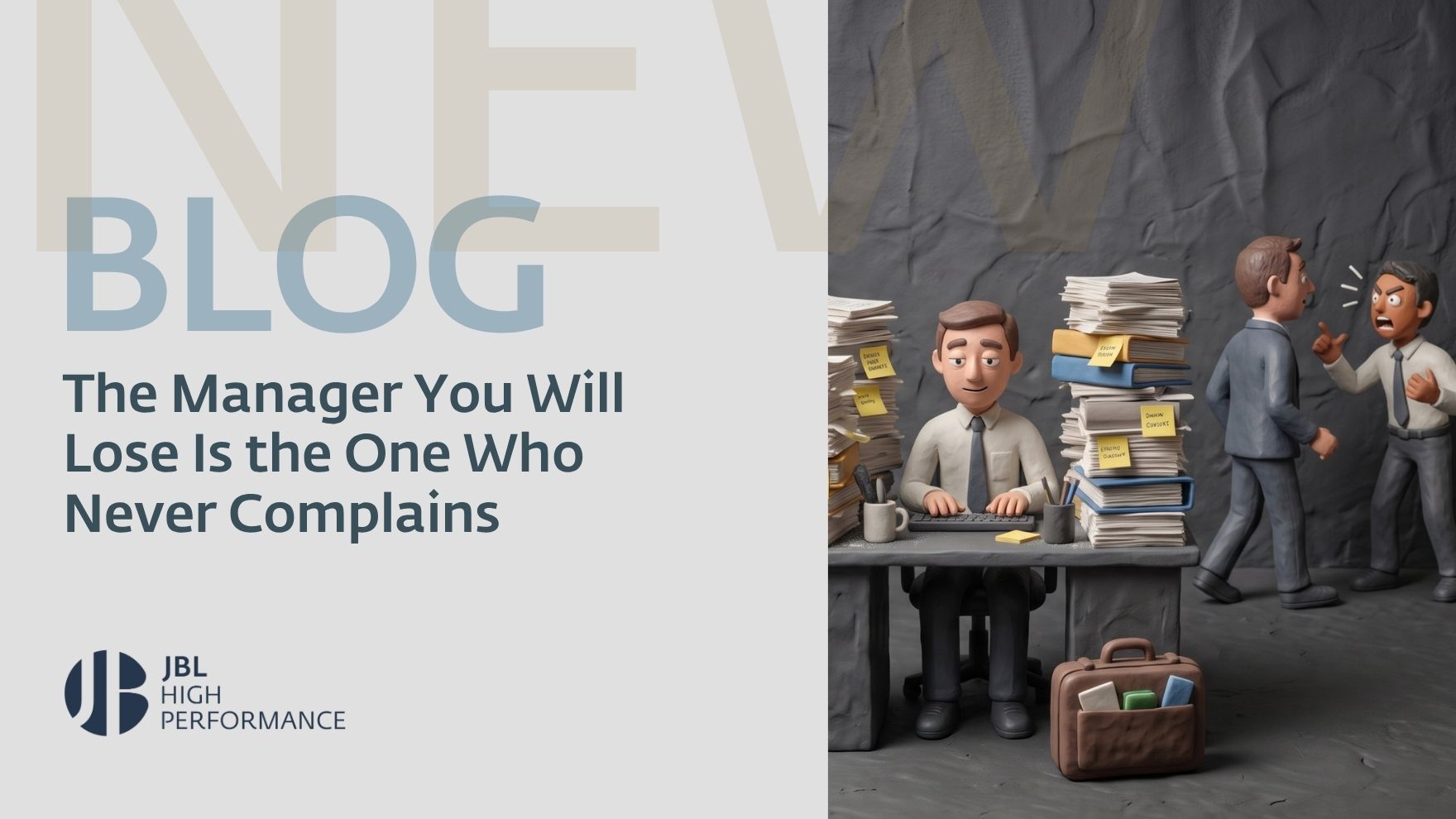
The manager who pushes back in meetings is the one you have your eye on. They are negative, they argue, you have had a quiet word, and you have them down as the flight risk.
Most GMs watch the one who complains. The one who vents still cares enough to argue with you, which makes the real risk the manager who agrees with everything. They stay late, pick up the projects nobody else wanted and cover the site visit when someone is off sick. You stop checking in on them because they never give you a reason to.
Burnout in your best people tracks with how much they care. The more someone commits their energy and time to an outcome, the more drag they absorb on the business’s behalf, and the drag is what breaks them. Every broken handoff, every decision someone else should have made, every approval that exists for cover, every problem nobody owns lands on the person who cares most. Others let it pass them by. That makes it a friction problem wearing a well-being costume: the symptom looks personal, and the cause sits in how work moves through the business.
When that person goes, they do not go alone. Their team has watched them give everything and get tired, and the lesson is that caring too much does not pay. The next most engaged person quietly dials it back. You will not see it in an engagement survey for a long time, but you will see people stepping back from solving problems, because they know there is no thanks for it and no help with it.
I spent a year with a large retail business, working with store and regional leaders. We asked each of them for 15 to 20 minutes a week with a notebook and pen to decide the most important thing to deliver this week and the most important thing next week. Many did. Others told me they were too busy. Most of those finished the year at the bottom of the performance and potential matrix or did not finish it with us, and several were no longer in the role. They had not found where to throttle their response to something sustainable, or they had gone all in and burned out. These were the people committing the most of themselves, and they did not survive.
The first step of Simplify to Amplify is to see where the friction sits before you fix anything, and one of the first places to look is your most engaged people: the problem solvers absorbing more and more. At Tatua, a $560M dairy manufacturer, participants reported 90% of pilot work resolved peer to peer, and their own bosses rated fewer escalations and better decisions at 3.0 out of 4. Problems solved between peers do not pile up on one reliable person.
This week, pick your most reliable person, the one who always sorts things out. Book 20 minutes over a coffee or a walk and ask one thing: what did you do last week that you should not have had to do? Do not defend any of it. Listen, and write it down if you need to. That list is where the friction sits, and where your business is leaking time and energy, handed to you for the price of a question. Then act on it. If you fix what you have created, you keep those people, instead of leaving them to be the band-aid over the cracks.
If useful, the full conversation is Episode 64 of The High Performance Leader, on the podcast site, Spotify and Apple Podcasts.
Jimmy Burroughes is the founder of JBL High Performance.
Start this week
Busy all day and still behind?
The Quick-Win Pack is five five-minute fixes for the overloaded leader, each built on a framework I use with paying clients. Every fix runs live on the page and hands you a finished, ready-to-use plan in minutes, with no AI account of your own needed. Just $19, and included free with AMPLIFY and the Six Week Reset.
Get the Quick-Win PackExplore this topic

Jimmy Burroughes
FounderFormer British Army officer and corporate GM who has transformed nearly 3,500 managers into leaders across 30+ organisations. Creator of the Simplify to Amplify methodology, author of Beat Burnout, Ignite Performance, and two-time Global Recognition Award winner.
Keep exploring
Want to know where the drag really is?
Before you change anything, get an honest read on the friction slowing your team down. Take a short, free diagnostic and see exactly where the time is going.