Why Your Next Generation of Managers Does Not Want the Job
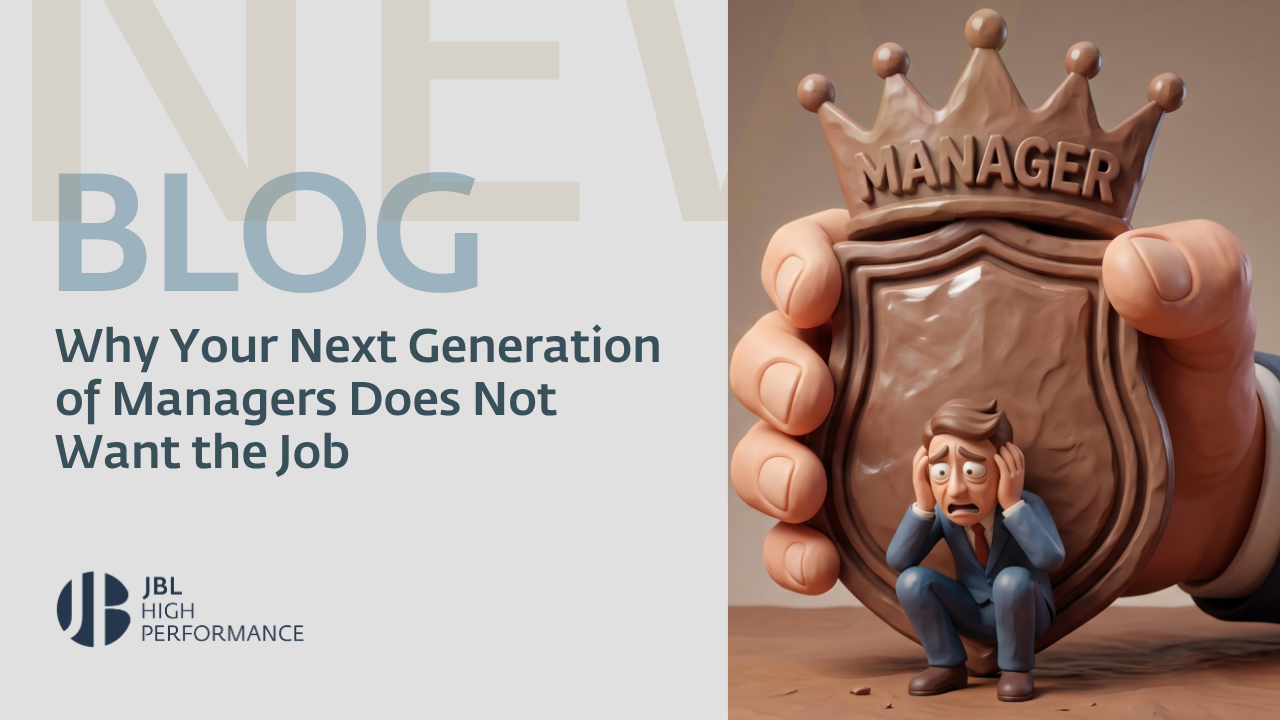
They've Watched the Grind Chew People Up
Gen Z has had a front-row seat to:
- parents and older colleagues burning out
- "high performers" rewarded with more work, not more support
- leaders carrying the emotional weight of change, crisis, and under-resourcing
They've seen the deal: more responsibility, more admin, more hours, and often without much more autonomy, impact, or security.
So when they're offered that path, they do the maths and think: if that's leadership, I'll pass.
That's pattern recognition, not laziness.
We've Made Leadership Look Like Administration, Not Impact
In a lot of organisations, stepping into leadership means:
- more reporting, forms, calibration sessions, governance calls
- less time doing the work they're good at
- becoming the shock absorber for decisions they didn't make
Management is not a sexy sport.
Gen Z is drawn to clear purpose, visible impact, and ownership. If your leadership role is mostly email, meetings, and performance paperwork, it does not map to what they want their life to look like.
They Don't Believe the Old "Work Hard, Get Ahead" Story
Older generations were sold a pretty clear narrative: work hard, stay loyal, climb the ladder, and you'll be rewarded.
Gen Z has watched:
- restructures wipe out loyal careers overnight
- pay and progression not keeping pace with effort
- leaders doing 60 to 70 hour weeks and still feeling insecure
So they're questioning whether working harder and longer is the answer to a heavy workload. They are more willing to:
- set boundaries
- change employers quickly
- build portfolios, side hustles, or smaller, more autonomous teams
They've seen the traditional deal doesn't pay off reliably. That's not entitlement.
Are you the bottleneck?
Take the two-minute assessment and see exactly where work is queueing around you, and what to hand over first.
They Want Purpose, Feedback, and Ownership, Not Just a Title
Gen Z isn't against responsibility. They're against pointless responsibility.
They want:
- to see how their work connects to something that matters
- regular, honest feedback that helps them grow
- ownership over something real
A lot of leadership roles currently offer:
- vague people leadership plus a lot of admin
- occasional performance reviews instead of real coaching
- responsibility without the authority to change things
So they opt for:
- expert or individual contributor tracks
- small agile teams
- entrepreneurship
They still want to lead. They don't want to lead in the version of leadership your organisation is selling.
What This Does to Your Business If You Ignore It
If you don't address this, you'll see:
- leadership gaps in key layers, especially frontline and middle management
- over-promotion of reluctant or misfit leaders who took the role for the pay bump, not the work
- higher attrition among Gen Z high-potentials who choose to build their future elsewhere
- weaker execution because fewer capable leaders are willing to own delivery
- burnout at the manager-of-managers layer as they carry more direct reports and more complexity with less bench behind them
This is already showing up in sectors like healthcare, banking, and tech. Great young talent with no interest in stepping up.
Where is the friction in your team?
The Leadership Friction Finder pinpoints where effort is leaking, so you fix the cause rather than the symptom.
One Practical Thing to Do Now: Redesign the Leadership Role Before You Redesign the Programme
Before you build another "emerging leaders" programme, fix the job you're inviting them into.
Right now, a lot of organisations are trying to sell people a promotion into a worse life.
Pick one critical layer, frontline leader or manager of managers, and work through the following steps.
Step 1: Audit the Role Reality
Do not do this from a spreadsheet. Shadow 3 to 5 current leaders for a day each.
Write down everything they do and sort it into two piles:
- management admin
- real leadership
Real leadership is things like:
- coaching and feedback
- decision making
- clearing friction
- setting priorities
- aligning to purpose
- holding standards
If the role is 70% admin and 30% leadership, stop acting surprised that people don't want it.
Step 2: Remove or Redistribute Low Value Work
Be ruthless. Strip out or simplify non-critical reporting and internal bureaucracy. Use shared services or technology for repeatable admin.
Ask one brutal question:
If this does not drive customers, people, or strategy, why does it live with leaders?
This is where you buy back capacity and reduce meeting load at the source.
Step 3: Make the Leadership Value Proposition Explicit
When you talk to Gen Z about leadership, lead with:
- the impact they will have
- the growth they'll get (coaching, stretch, visibility)
- the boundaries you expect them to keep (no 24/7 heroics as normal)
If you can't clearly explain why the leadership role is a better platform for purpose, impact, and growth than staying as a strong individual contributor, they won't buy it. And they're right not to.
The Bottom Line
Gen Z's reluctance to step into leadership is a signal, not a bug. They're refusing a model that has been burning people out and under-delivering value for years.
The senior leaders who listen to that signal, and redesign leadership to be about real impact rather than more grind, will be the ones whose organisations still have leaders ten years from now.
If this sounds like your week
Your managers are not the problem. They are where the problem is stuck.
When your last leadership spend was signed off, did anyone go back to those managers' bosses and ask what changed? That question is the JBL Outcome Standard, and it is how I work.
- Find the friction. A short diagnostic that shows which decisions are stalling, and at what level.
- Am I the bottleneck? Ten questions on where your week is actually going.
- How I work with GMs. Six weeks, one hour a week, up to twelve of your managers, scored by their own bosses.
- Beat Burnout, Boost Performance. The book.
- The High Performance Leader podcast.
Managers I work with reclaim around four hours a week, and their bosses score the change 8.75 out of 10. Would it be a crazy idea to find out how we did this? Book a scoping call.
Start this week
Busy all day and still behind?
The Quick-Win Pack is five five-minute fixes for the overloaded leader, each built on a framework I use with paying clients. Every fix runs live on the page and hands you a finished, ready-to-use plan in minutes, with no AI account of your own needed. Just $19, and included free with AMPLIFY and the Six Week Reset.
Get the Quick-Win PackQuestions managers ask about this
Why do younger managers avoid leadership roles?
Younger managers often avoid leadership because they see it as more administration, longer hours, and more responsibility without greater autonomy or impact. They have witnessed burnout and lack of support in leadership roles, leading them to question if the trade-off is worthwhile. They prefer roles with clear purpose, visible impact, and real ownership.
How can we reduce admin tasks in management roles?
Start by shadowing current leaders to identify administrative work versus leadership activities. Remove or redistribute low-value tasks like excessive reporting and bureaucracy. Use shared services or technology for routine admin. The aim is to free managers’ time for coaching, decision-making, and setting priorities, which directly contribute to customers, people, or strategy.
What do younger managers want from leadership roles?
Younger managers want leadership roles that offer clear purpose, regular honest feedback, and ownership of meaningful work. They seek opportunities to grow through coaching and stretch assignments, and expect reasonable boundaries without constant overwork. Leadership must promise visible impact and personal development rather than just a title or extra administrative tasks.
How to make leadership roles attractive to Gen Z managers?
Clearly communicate the impact they will have and the growth opportunities available, such as coaching and visibility. Set expectations about healthy work boundaries to avoid burnout. Redesign leadership roles to focus on real leadership activities like decision-making and coaching, rather than administrative burdens, so the role feels purposeful and rewarding compared to individual contributor positions.
Explore this topic
Hear this discussed on the podcast
Episodes of The High Performance Leader that cover the same ground.

Jimmy Burroughes
FounderFormer British Army officer and corporate GM who has transformed nearly 3,500 managers into leaders across 30+ organisations. Creator of the Simplify to Amplify methodology, author of Beat Burnout, Ignite Performance, and two-time Global Recognition Award winner.
Keep exploring
Want to know where the drag really is?
Before you change anything, get an honest read on the friction slowing your team down. Take a short, free diagnostic and see exactly where the time is going.