Burnout Is Not Weakness: What Leaders Must Recognise
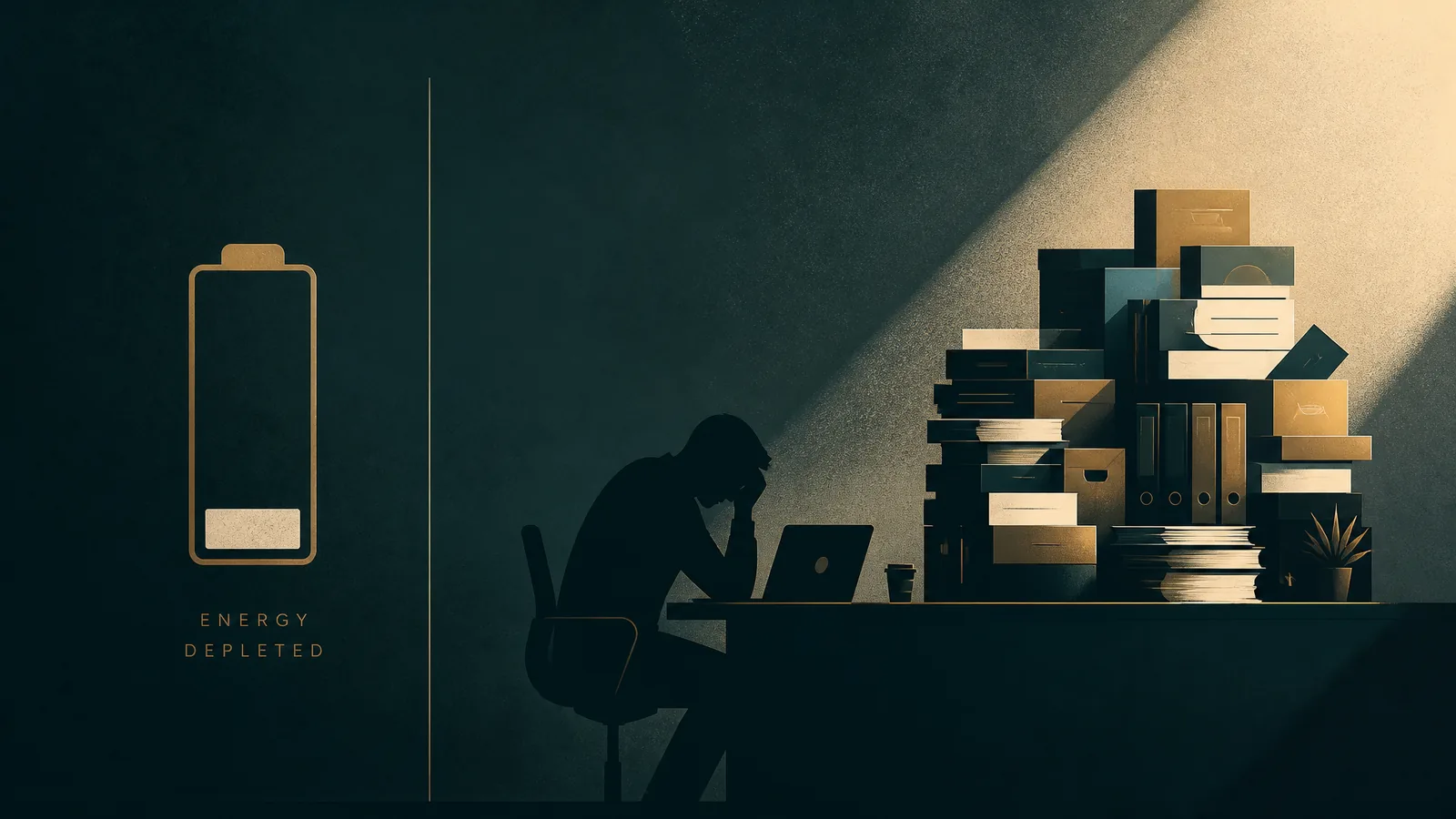
In the fast-paced world of high-performance, burnout often emerges as an unwelcome guest. It is a common misconception that burnout equates to weakness. In reality, it is an alarm bell, signalling that even the most resilient individuals need to pause and prioritise self-care. Burnout is not a sign of weakness but a reminder of our human limitations, especially when dealing with chronic stress and mental exhaustion.
The urgency lies in acknowledging burnout's reality. It is not a problem that will magically disappear if we ignore it. The road to burnout is a bit like dipping into your overdraft each month because you live beyond your means. Initially, you can pay it back without issues. Then slowly all your pay goes to get back to zero. Finally, the bank starts to ask some tough questions and your credit score suffers when they close the account. Except this bank account is your life. When executive burnout knocks on your door, it is imperative to take action. Here, we will delve into a few strategies, focusing on aspects that executives may not have fully considered, to aid in burnout prevention.
Burnout is not a sign of weakness but a reminder of our human limitations, especially when dealing with chronic stress and mental exhaustion.
Burnout Does Not Happen All at Once
Burnout is not a cliff you suddenly fall off. It is more like a snowball rolling down a hill. It starts small and picks up momentum until there is a point where you will struggle to stop it. Many leaders treat it as another business problem to sprint through and solve. The reality is that sprinting works for a while, then chronic fatigue sets in and the snowball becomes impossible to outrun.
Many tend to think of burnout as being solvable by more yoga, better breathing techniques or practising mindfulness. The self-care list goes on. In reality, many of the causes of burnout are directly in your control and more straightforward to address than you might think.
What Burnout Actually Looks Like: The AEIOU Framework
Burnout is more than feeling tired, stressed or overworked. It is when relentless frustration, cynicism, exhaustion and powerlessness become overwhelming. To make it easier to spot in yourself and your team, look for five symptoms. If you or someone around you is experiencing three or more of these, burnout is likely already taking hold:
- Anxious (A): A constant unease that does not lift, even when the immediate pressure has passed.
- Exhausted (E): Not just tired at the end of a long week, but perpetually drained regardless of rest.
- Isolated (I): Feeling alone and disconnected from colleagues, friends and family, even when surrounded by people.
- Overwhelmed (O): Juggling too many demands with no clear sense of where to start or what to drop.
- Unmotivated (U): Loss of the drive that once defined you, an inability to engage with work that previously energised you.
If you or someone around you is experiencing three or more of these symptoms, you could be grappling with burnout. Recognising the pattern is the first step.
These symptoms show up differently depending on the person and the role. Consider five senior leaders we have worked with across different organisations, names changed for confidentiality. Tom, a senior leader at one firm, was a perfectionist whose relentless pursuit of excellence left him perpetually drained by anxiety about meeting colossal expectations. Rachel felt she was the only person who could ultimately deliver results, which isolated her from her team and overwhelmed her. John reached the top at a cost, distanced from his team and loved ones, with no network left to advocate for him if things shifted. Marsha's burnout extended to her entire team, creating a stressful environment where unrealistic standards drove disengagement and productivity decline. Laura, renowned for her track record, found that repeated restructures and strategy changes had left her demotivated and unable to embark on new projects. Five different people, one common pattern.
Symptoms Worth Watching For
Beyond the AEIOU framework, there are behavioural warning signs that are easy to miss or rationalise away. Watch for these in yourself and your direct reports:
- Becoming cynical or critical at work
- Having to drag yourself to start the day and struggling to get going
- Becoming irritable or impatient with colleagues or clients
- Lacking the energy to be consistently productive
- Finding it hard to concentrate
- Using food, alcohol or other substances to feel better or to stop feeling altogether
- Disrupted sleep habits
Left unaddressed, these warning signs develop into more serious consequences: sustained sadness or anger, substance misuse, heart disease, high blood pressure, type 2 diabetes and increased vulnerability to illness. The longer leaders wait to act, the harder the recovery.
The Ripple Effect on Teams and Organisations
The consequences of burnout are not limited to the individual. Leaders struggling with burnout make more mistakes, exhibit reduced productivity and grapple with effective decision-making. Perfectionist leaders tend to micromanage to ensure everything meets their standards, which stifles team autonomy, dampens morale and drives turnover. In highly competitive environments where individuals are pitted against each other, fear of failure drives unhealthy habits.
When people feel fear, they take fewer risks, and the decisions on the risks they do take are often flawed out of desperation rather than consideration.
An anxious, exhausted and demotivated leader creates a stressful work environment where team members feel pressured to meet unrealistic standards. Burnout at the top permeates the entire organisation. As a leader, you can give your team clear guidance and permission to slow down, because many of them do not have the presence of mind to do it themselves.
The One Question That Reframes Everything
A useful way to think about burnout is through the time, cost and quality matrix that many leaders already use to manage client expectations. It describes three levers that can be pulled to get an outcome. To have two, you must sacrifice one. The same logic applies to your own performance and energy.
Every time you say yes to another task, another meeting or another call, you remove the ability of your body and mind to regenerate. That loss of regeneration impacts your performance. You also sacrifice things that matter outside work: sleep, hobbies, weekends, time with family, long-term health and relationships.
A simple but powerful prompt is to put a visible note somewhere you will see it regularly:
When I say "Yes" to this, what else am I saying "No" to?
Simple to describe. Not necessarily easy to execute. But when a situation arises that will ask more of you than usual, this question forces a conscious choice rather than a reflexive yes.
Identify the Stress Source
To combat burnout effectively, start by pinpointing the root causes of your stress. This step is often overlooked but is crucial in developing targeted solutions. Common culprits include:
- An unmanageable workload
- Elusive work-life balance
- Relentless expectations
- The absence of support
Identifying the stress source is the first stride toward sustainable recovery and managing occupational stress. Recognising the burnout warning signs early is key.
Be More Realistic When Setting Goals
High achievers often harbour the tendency to pile on tasks and attempt to conquer mountains in a single leap. However, this can be a trap leading to emotional exhaustion and burnout. The thought reversal here is to set realistic, achievable goals. Break daunting objectives into smaller, more manageable tasks. This approach not only reduces stress but also bolsters your sense of accomplishment.
Where is the friction in your team?
The Leadership Friction Finder pinpoints where effort is leaking, so you fix the cause rather than the symptom.
Do Not Underestimate the Power of Breaks
Executives, in their pursuit of excellence, might disregard the importance of short breaks throughout the day. These breaks, even if just a few minutes, serve as vital moments of rejuvenation to allow your brain to switch from the high-intensity task-processing mode to the daydreaming default mode. Breaks help provide the mental respite necessary to navigate the demanding terrain of leadership effectively. Do not underestimate the power of taking a step back periodically to combat mental exhaustion.
Leverage and Enjoy Delegation
Delegation is an underutilised tool in the battle against burnout. Executives often find it challenging to relinquish control, believing they must handle everything themselves. However, effective delegation not only lightens your workload but also empowers your team. Trust in your colleagues' abilities and redistribute tasks accordingly. This fosters employee well-being and psychological safety.
Effective delegation not only lightens your workload but also empowers your team. It fosters employee well-being and psychological safety.
Master the Art of Saying No
In the corporate world, opportunities and commitments are abundant, and it is easy to fall into the trap of overcommitting. A critical skill for executives is the art of saying no when necessary. Guard your time and energy, especially when you are on the brink of caregiver burnout or executive burnout. Saying no protects your well-being and allows you to focus on your core responsibilities. There is an old saying which describes the effectiveness of trying to build seven bridges versus one to cross a river.
Prioritise Self-Care
Executives often find themselves caught in the relentless whirlwind of professional demands all day and then having to go home and meet family obligations. However, allocating time for personal well-being is not a luxury. It is a necessity. Do not neglect the activities that bring you joy and relaxation outside of work. Whether it is spending quality time with loved ones, pursuing hobbies, or simply resting, these activities are vital in preventing and recovering from burnout.
Embrace the Power of Sleep and Nutrition
In the pursuit of success, sleep and nutrition are often sacrificed. Yet they are your allies in the fight against burnout. Key foundations to protect include:
- Adequate sleep, aiming for 7 to 8 hours per night, essential for physical and mental recovery
- A healthy diet that provides the energy needed to perform at your best
- Ensuring your body is fuelled with the nutrients it requires
Regular Exercise
Physical activity is not just about maintaining a healthy body. It is a potent stress-reduction tool. Exercise releases endorphins, boosts your mood, and enhances overall well-being. Even a five to ten minute walk at lunch counts. Incorporating regular exercise into your routine can significantly mitigate the effects of burnout and improve your stress management.
Beat burnout before it beats your team
Beat Burnout, Ignite Performance is the practical playbook for protecting your energy and your people.
Five Things Leaders Can Do Today
Beyond the individual habits above, there are specific actions you can take as a leader that will have an immediate effect on both your own state and your team's.
- Consider how you want to show up to your team. Are you still at full sprint? Or are you in a calmer, more deliberate mode, planning and executing steadily? Your team will observe you, react to you, and most likely mirror you.
- Protect time in your calendar for recuperation and model it visibly. Whether that is a half-hour for a walk, or photos of you with your family at the weekend, share it with your team and ask them to do the same.
- Look at your team's annual leave. Many leaders and their direct reports have accumulated leave and are working more than five days a week. Encourage people to take a day off here and there, and take one yourself.
- Build resilience as a buffer. Embrace mistakes as opportunities for growth. Foster a collaborative spirit that transcends competition and shifts focus to collective goals, creating a sense of shared purpose.
- Communicate, and keep communicating. People running on empty will not pick up on subtle or nuanced messages. Be explicit about what is going well, what is not, what good looks like, and where support is available. Those who have retreated into work-zombie burnout need you to spot them and step in.
Seek Help When Needed
Finally, in the pursuit of high performance, it is essential to remember that asking for help is not a sign of weakness. It is a demonstration of wisdom. If you find yourself struggling to recover from job burnout, do not hesitate to seek professional assistance. Options include:
- Consulting with your healthcare provider
- Engaging with a therapist
- Exploring support groups, both online and in-person
You are not alone in this journey. All of our team have experienced some form of burnout themselves and have learned the tools and techniques which prevent things getting worse, whilst showing you the way to recover your performance effectively.
Asking for help is not a sign of weakness. It is a demonstration of wisdom.
A Healthier, More Sustainable Approach to High Performance
Burnout is a genuine challenge, but it is not insurmountable. By implementing these strategies, you can not only prevent burnout but also foster a healthier and more sustainable approach to high performance. Remember, you are not alone, and prioritising your well-being is not a sign of weakness. It is a testament to your commitment to success.
Understanding the components of job burnout, such as emotional exhaustion, depersonalisation, and reduced personal accomplishment, is crucial for leaders. Fostering a culture of employee well-being and psychological safety can significantly reduce occupational stress. Burnout can also be a catalyst for positive change, sparking renewed purpose and motivation in both work and life, provided the signs are caught early and acted upon.
Fostering a culture of employee well-being and psychological safety can significantly reduce occupational stress and make burnout prevention a core part of your leadership strategy.
Where to Take This Next
If people in your business are quietly running on empty and nobody is saying it, that is friction in the system rather than a lack of effort. Take the Leadership Friction Finder and see where the drag actually sits. It takes a few minutes.
If you would rather keep reading, here are more articles on burnout.
From the YouTube channel
Watch: more on this topic
A video from the JBL High Performance YouTube channel that goes deeper on the ideas in this article.
What is BURNOUT? Symptoms, Causes, and How to Avoid It! [2024]
More on this from the channel
Start this week
Busy all day and still behind?
The Quick-Win Pack is five five-minute fixes for the overloaded leader, each built on a framework I use with paying clients. Every fix runs live on the page and hands you a finished, ready-to-use plan in minutes, with no AI account of your own needed. Just $19, and included free with AMPLIFY and the Six Week Reset.
Get the Quick-Win PackQuestions managers ask about this
How can leaders identify the root causes of burnout in their teams?
Leaders should start by pinpointing specific stress sources such as unmanageable workloads, poor work-life balance, relentless expectations, or lack of support. Understanding these factors helps create targeted solutions to reduce stress and prevent burnout effectively.
What practical steps can executives take to set more realistic goals?
Executives should break large objectives into smaller, manageable tasks. This reduces pressure and makes goals feel achievable. Setting realistic targets prevents overwhelming workloads and helps maintain steady progress without risking burnout.
Why is delegation important for preventing burnout among senior operators?
Delegation reduces workload by distributing tasks across the team, preventing overload. Trusting colleagues to handle responsibilities not only eases pressure on leaders but also improves team engagement and efficiency, which helps avoid burnout.
What daily habits can leaders adopt to protect themselves from burnout?
Leaders should take regular short breaks to refresh their minds, prioritise sleep and nutrition for physical recovery, and include regular exercise to reduce stress. Additionally, learning to say no and dedicating time to personal well-being activities supports sustainable performance.
Explore this topic
Hear this discussed on the podcast
Episodes of The High Performance Leader that cover the same ground.

Jimmy Burroughes
FounderFormer British Army officer and corporate GM who has transformed nearly 3,500 managers into leaders across 30+ organisations. Creator of the Simplify to Amplify methodology, author of Beat Burnout, Ignite Performance, and two-time Global Recognition Award winner.
Keep exploring
Want to know where the drag really is?
Before you change anything, get an honest read on the friction slowing your team down. Take a short, free diagnostic and see exactly where the time is going.