Build Psychological Safety for Your Team in 5 Steps
I was thrilled to receive so many requests for the SERVICE model I shared last week. If you missed grabbing the worksheet, you can download it here.
This week I am talking about the S in SERVICE, Safety. And in this case, psychological safety.
What Psychological Safety Actually Means
Psychological safety has lots of definitions but I like to use the phrase, thinking it's safe enough to put your head up with a confidence you won't get shot down. And even if you have an opinion or make a mistake, you won't be put into a firing squad as a result. This may seem a little militaristic (I wonder why) but it helps explain how many employees feel when psychological safety at work is lacking.
Simplify to Amplify: the Six Week Reset
A focused six-week programme that clears the noise and rebuilds how your team performs.
Five Steps You Can Enact Today
My secret to building team psychological safety sits in a couple of key ideas. You can enact them today:
- Encourage curiosity in your team members. Ask them to explore and experiment. Curiosity is emerging as the single most powerful force in business performance. Encourage people to be curious and be curious about them. This is a hallmark of inclusive leadership and drives innovation.
- Allow them to graze their knees without breaking their legs. Make it ok to fail, but when they do, ensure they don't hurt themselves or the company catastrophically. Safe failure encourages ambition and exploration. Help them find the sweet spot of Curious which sits between Cautious and Careless. This fosters a healthy learning culture.
- Find learning not blame when things don't go as expected. Think back through your own career. When did you learn? When you made a mistake, right? Let your team learn without the fear they'll get fired. This is critical for improving team performance and overall team effectiveness.
- Actively ask for opinions. As leaders, we often feel the need to have all the answers. You don't need to anymore. You can simply ask them what they think, encourage them, and provided their answer is on the right track, let them have at it. Not only do you not have to have all the answers, but it also helps them feel more confident to speak up and provide feedback.
- Share with them that you are changing. When I am mentoring clients, I always suggest they tell their team they are working on themselves and what in particular. This humility helps reduce the change people see and helps them support and encourage you, making everyone feel safer. This level of trust is essential for high performance leadership and effective leadership behaviour.
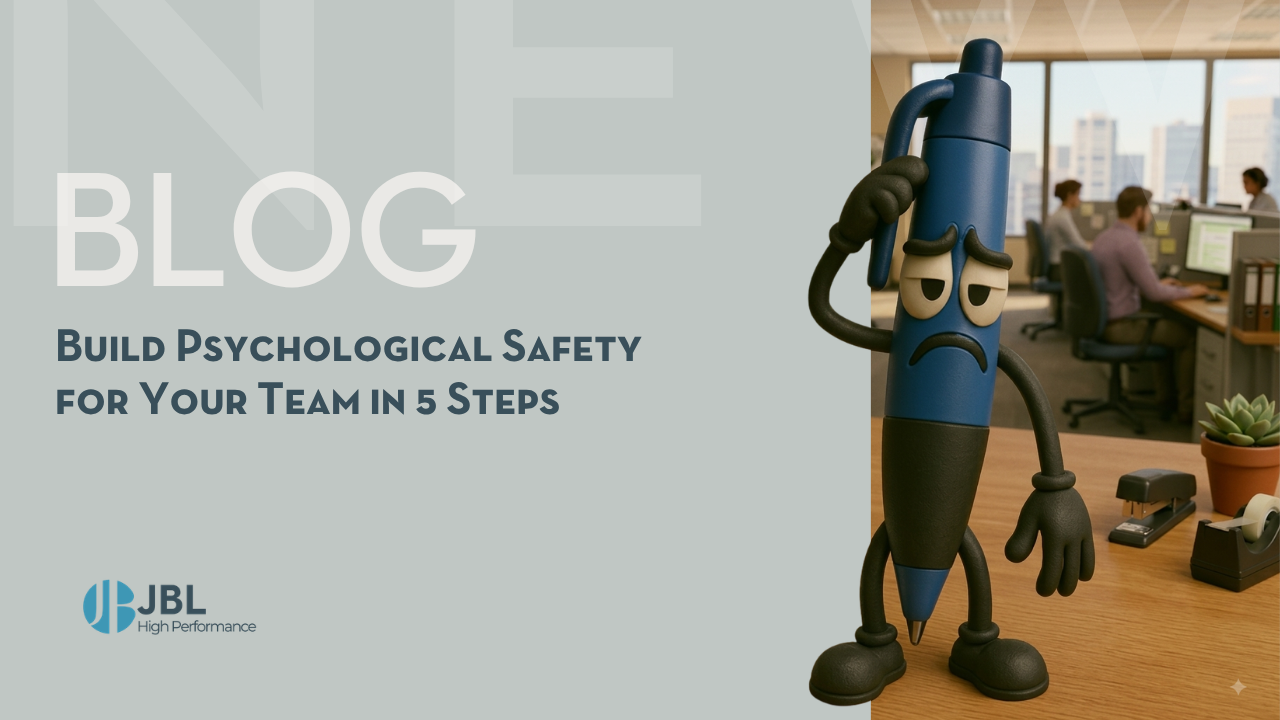
Help them find the sweet spot of Curious which sits between Cautious and Careless.
Why This Matters for Team Performance
Helping teams to create more trust, connection, and resultant performance is something we talk a lot about in WoW but it's completely blocked when the members of that team lack psychological safety. Therefore we can all work together to build a workplace safety culture and lift performance as a result through some simple actions.
To truly understand psychological safety, consider the findings from Google's Project Aristotle, which highlighted it as the number one factor in team effectiveness. Utilising a psychological safety scale or conducting a psychological safety survey can help you measure your progress. Ultimately, leadership development and leadership effectiveness rely on creating an environment where innovation thrives and team performance reaches new heights.
Start this week
Busy all day and still behind?
The Quick-Win Pack is five five-minute fixes for the overloaded leader, each built on a framework I use with paying clients. Every fix runs live on the page and hands you a finished, ready-to-use plan in minutes, with no AI account of your own needed. Just $19, and included free with AMPLIFY and the Six Week Reset.
Get the Quick-Win PackQuestions managers ask about this
How can I create psychological safety for my team?
Create psychological safety by encouraging curiosity, allowing safe failure, focusing on learning instead of blame, actively asking for opinions, and being transparent about your own changes. This approach helps your team feel confident to speak up without fear of negative consequences or being shut down.
What does safe failure mean in team management?
Safe failure means permitting your team to take risks and make mistakes without causing catastrophic harm to themselves or the business. It encourages ambition and learning while maintaining a balance between being cautious and careless, allowing your team to grow through experience without severe consequences.
Why should leaders ask for team opinions regularly?
Leaders should ask for team opinions to take pressure off themselves to have all the answers and to build team confidence. When team members see their ideas valued and acted upon, they are more likely to speak up, which improves decision-making and frees leaders to focus on other priorities.
How can admitting personal changes improve team safety?
When leaders share what they are working on personally, it reduces friction and builds trust. This humility makes it easier for the team to support the leader’s development, creating a safer environment where everyone feels more comfortable expressing themselves and adapting to change.
Explore this topic
Hear this discussed on the podcast
Episodes of The High Performance Leader that cover the same ground.

Jimmy Burroughes
FounderFormer British Army officer and corporate GM who has transformed nearly 3,500 managers into leaders across 30+ organisations. Creator of the Simplify to Amplify methodology, author of Beat Burnout, Ignite Performance, and two-time Global Recognition Award winner.
Keep exploring
Want to know where the drag really is?
Before you change anything, get an honest read on the friction slowing your team down. Take a short, free diagnostic and see exactly where the time is going.