Are You Swimming, Floating or Drowning?
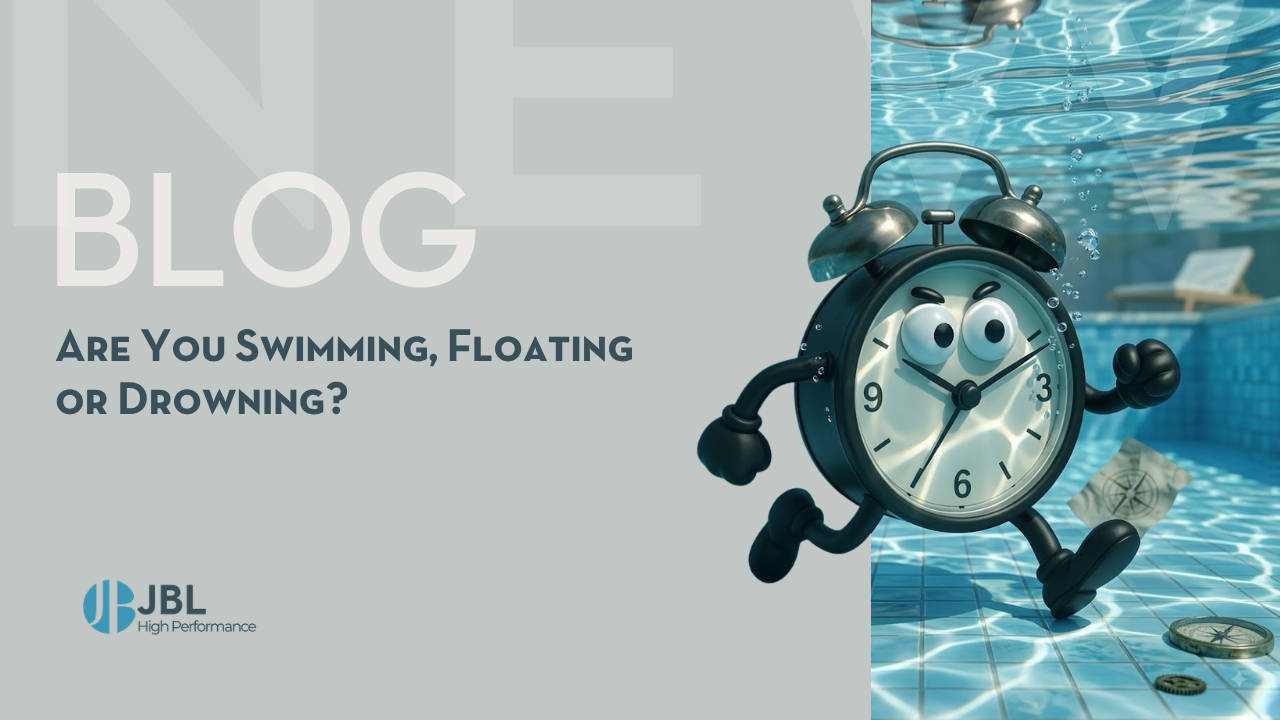
This week, Traverse Worldwide moved from the amazing city of Lima, to Medellin in Colombia. Far from the Narco's portrayed badlands of Pablo Escobar, this place has transformed itself into a vibrant, colourful town full of steely people who have lived through adversity and come out stronger as a result. For those of you who don't know, Medellin has developed in the valley of the Medellin (Porce) River, which is where I start to make my point in this week's insight.
It seems that a lot of my coaching, both formal and informal this week, has taken on a theme. That of life being a river which we all navigate in our own way, some people more successfully than others. The river of life is full of rapids, obstacles, eddy currents and meanders. This powerful metaphor of water is central to understanding life transitions.
Swimming: Taking Ownership of Your Direction
When we swim through life, we take ownership for our course at a pace determined by us. Some of us occasionally use the current to our advantage, making the swim even more efficient and getting to where we want to be with less effort. In life, if we identify our destination or goals, we can actively swim towards them.
- That positive action keeps us on the surface and with a higher chance of reaching those goals.
- We can use different swimming techniques to get where we want, and vary the amount of energy we use.
- The key piece is not being passive and letting life happen to you.
This active approach is key to intentional living and purpose driven living.
Floating: Where Life Takes You
If not actively swimming, we are floating. The only direction we will go is where life takes us. That isn't to say that we should swim all the time. Absolutely not. But if we have no desire or motivation to swim, or are continually passive in how we approach life, we often end up somewhere we didn't intend to be, often with unhappy consequences.
Then we may have to swim harder to regain our desired course, losing any momentary advantage or respite we may have had from stopping swimming. Floating can also very quickly lead us into obstacles or rapids which cause us pain and panic. Sometimes, this passive state leads to people feeling like they are drowning in life.
If we have no desire or motivation to swim, or are continually passive in how we approach life, we often end up somewhere we didn't intend to be.
Drowning: Overwhelmed and Unable to Act
And this is where drowning starts. People who have suddenly become overwhelmed by life and are unable to take sufficient action to save themselves. They are in panic, stressed, thrashing around whilst still being swept through life. They scream for help and climb on top of anyone who comes near them in the hope that they can save themselves. All because they failed to swim in the right direction at the right time.
For leaders, drowning has a specific texture. You're fixated on what's urgent, your view narrows under pressure, and every decision feels like it's made with water in your lungs. If you're putting in more hours than ever and still missing the number, the problem probably isn't effort. It's direction.
The State Most Leaders Skip: Treading Water
Military training on river crossings describes three states every leader moves through: drowning, treading water, and swimming. Most leaders swing between drowning and swimming without spending enough time in the middle state. That middle state is where real leadership thinking happens.
Treading water is not weakness or passivity. It is a strategic pause. You're alert, in control, scanning your options. You're not moving forward yet, but you're not sinking either. In a volatile, uncertain, complex and ambiguous world, knowing when to pause is a discipline in itself. Before you exhaust yourself swimming in the wrong direction, or drown in urgency, pause. Scan your options. Reset your course. Then swim with purpose.
Most leaders swing between drowning and swimming without spending enough time treading water. That middle state is where real leadership thinking happens.
Where is the friction in your team?
The Leadership Friction Finder pinpoints where effort is leaking, so you fix the cause rather than the symptom.
Swimming Hard in the Wrong Direction
There is one other type of person. They are not floating or drowning, simply swimming hard against the current. Fruitlessly expending energy towards a goal that isn't truly going to make them happy but with a determined intention which keeps them going until they are exhausted. Truth be told, this is probably most of us. Finding your flow state and understanding life direction can help prevent this exhaustion.
Swimming hard in the wrong direction is still exhausting. Finding your flow state and understanding your true life direction can prevent that burnout before it takes hold.
Resetting Your Course: The Stop, Start, Continue Framework
Recognising which state you're in is the first step. Doing something about it is the second. A practical way to reset your direction comes down to three deliberate choices.
- Stop: What actions and beliefs are holding you back? Unnecessary meetings. The assumption that being busy equals productivity. The belief that you must have all the answers.
- Start: What valuable actions are missing? Focused check-ins with your team. Regular time set aside for strategic thinking. The belief that vulnerability is strength.
- Continue: What's already working? Celebrating wins. Embracing learning. Maintaining the practices that create real value.
This framework works on two levels: the actions you take and the beliefs driving those actions. Observable behaviours come from core beliefs, and a belief audit helps you challenge the assumptions keeping you stuck, including the "Village Fisherman" mindset of being the always-on, sole problem-solver. That one costs you more escalations and more of your own time than almost anything else.
A leadership reset doesn't require massive changes. Small, intentional actions compound over time into significant results. Identify one small reset you can make this week: stop a draining habit, start a new valuable practice, or double down on what already works. Don't wait for perfect timing. The smallest step forward is often the most powerful.
Recognising the Pattern in Yourself
One of the most frequent comments I get from people who see what we do on Remote Year is:
"I wish my life was like that. I work in a drab office doing a grey job and you are off seeing X, Y and Z around the world."
In truth, I recognised the same thing in myself 18 months ago. I was floating down the river, not swimming in the direction I wanted to, but working hard for things that I didn't truly feel were important to me. I was also letting other people control my direction. And so I made a change and here I am. All many of us need is for someone to point us in the right direction, which is where a coach like me comes in. This is the essence of personal growth and personal development.
Beat burnout before it beats your team
Beat Burnout, Ignite Performance is the practical playbook for protecting your energy and your people.
Stop Floating, Start Swimming
So stop floating, avoid drowning and start swimming through life. The river runs through Medellin.
Navigating the river of life requires resilience and perseverance. When the currents of mental health challenges arise, practising mindfulness can help keep you afloat. Whether you are in a chaotic ocean, a calm swimming pool, or a rushing river, the metaphor remains the same: true personal growth comes from taking intentional action rather than simply floating.
Where to Take This Next
If your management layer is running flat out and still falling behind, that is friction in the system rather than a lack of effort. Take the Leadership Friction Finder and see where the drag actually sits. It takes a few minutes.
If you would rather keep reading, here are more articles on burnout.
Start this week
Busy all day and still behind?
The Quick-Win Pack is five five-minute fixes for the overloaded leader, each built on a framework I use with paying clients. Every fix runs live on the page and hands you a finished, ready-to-use plan in minutes, with no AI account of your own needed. Just $19, and included free with AMPLIFY and the Six Week Reset.
Get the Quick-Win PackQuestions managers ask about this
How can I tell if my managers are making real progress?
Look for signs that your managers are actively directing their work rather than passively reacting. Managers who set clear goals and adjust their approach to meet challenges are 'swimming.' Those who simply go with the flow or react only when problems arise are likely 'floating' or even 'drowning.' Active ownership of their direction indicates genuine progress.
What does it mean when managers are working hard but still falling behind?
If your managers are busy yet not advancing, the issue is likely friction in your system, not effort. This friction could be due to unclear decisions, bottlenecks, or misaligned priorities. Identifying where decisions stall and who is responsible helps pinpoint and reduce this drag, allowing managers to focus on productive work rather than firefighting.
How can I identify if I am the bottleneck in my management team?
Reflect on where decisions and approvals slow down progress. Ask yourself if critical choices wait for your input or if you hold up communication. If your managers frequently need your sign-off or direction to move forward, you may be the bottleneck. Recognising this allows you to delegate more effectively and speed up team performance.
What risks do managers face if they stop taking active control of their work?
Managers who stop actively guiding their work risk drifting without direction, leading to wasted effort and missed goals. This passivity can cause them to end up in difficult situations unexpectedly, requiring more effort to recover. In extreme cases, they may become overwhelmed and unable to act effectively, which harms both their performance and the team's outcomes.
Explore this topic
Hear this discussed on the podcast
Episodes of The High Performance Leader that cover the same ground.

Jimmy Burroughes
FounderFormer British Army officer and corporate GM who has transformed nearly 3,500 managers into leaders across 30+ organisations. Creator of the Simplify to Amplify methodology, author of Beat Burnout, Ignite Performance, and two-time Global Recognition Award winner.
Keep exploring
Want to know where the drag really is?
Before you change anything, get an honest read on the friction slowing your team down. Take a short, free diagnostic and see exactly where the time is going.