The Bow and Wake Effect: How Leaders Shape Impact
I had several people reach out to me on my latest IG posts on @jimmybleadership this week related to my Bow and Wake post so I thought I would share it here too. This concept perfectly illustrates the true leadership impact on an organisation.
The Bow Wave: Moving Through the Ocean of Business
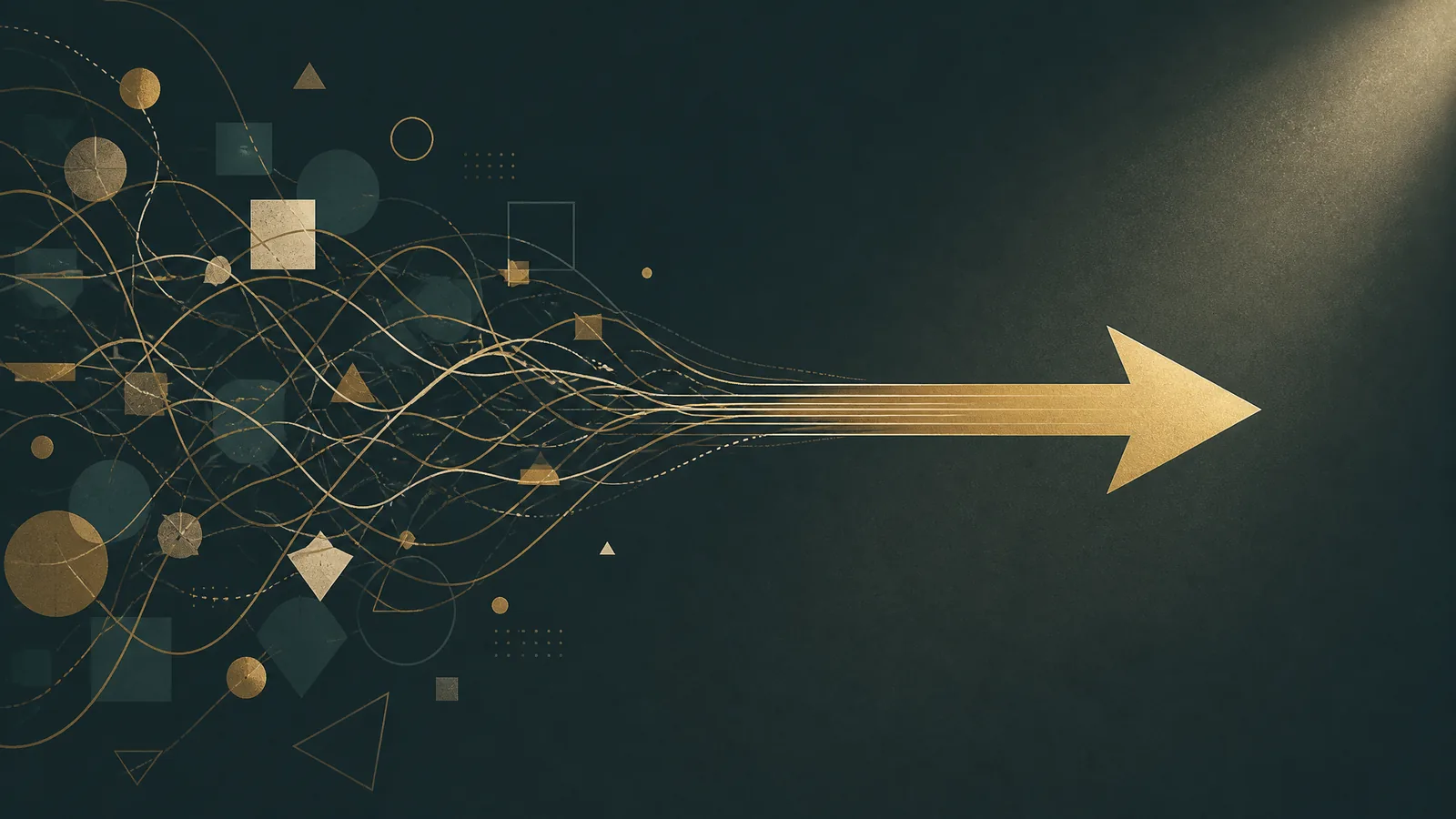
Just like a boat, as leaders, when we act, we create a bow wave, moving things out of the way and impacting the environment around us. This can create an opportunity for some people, who, like dolphins, can ride that wave and play in the surge. Or it can be crushing, like a Greenpeace boat and an oil tanker meeting in the ocean. This dynamic is central to transformational leadership and team dynamics.
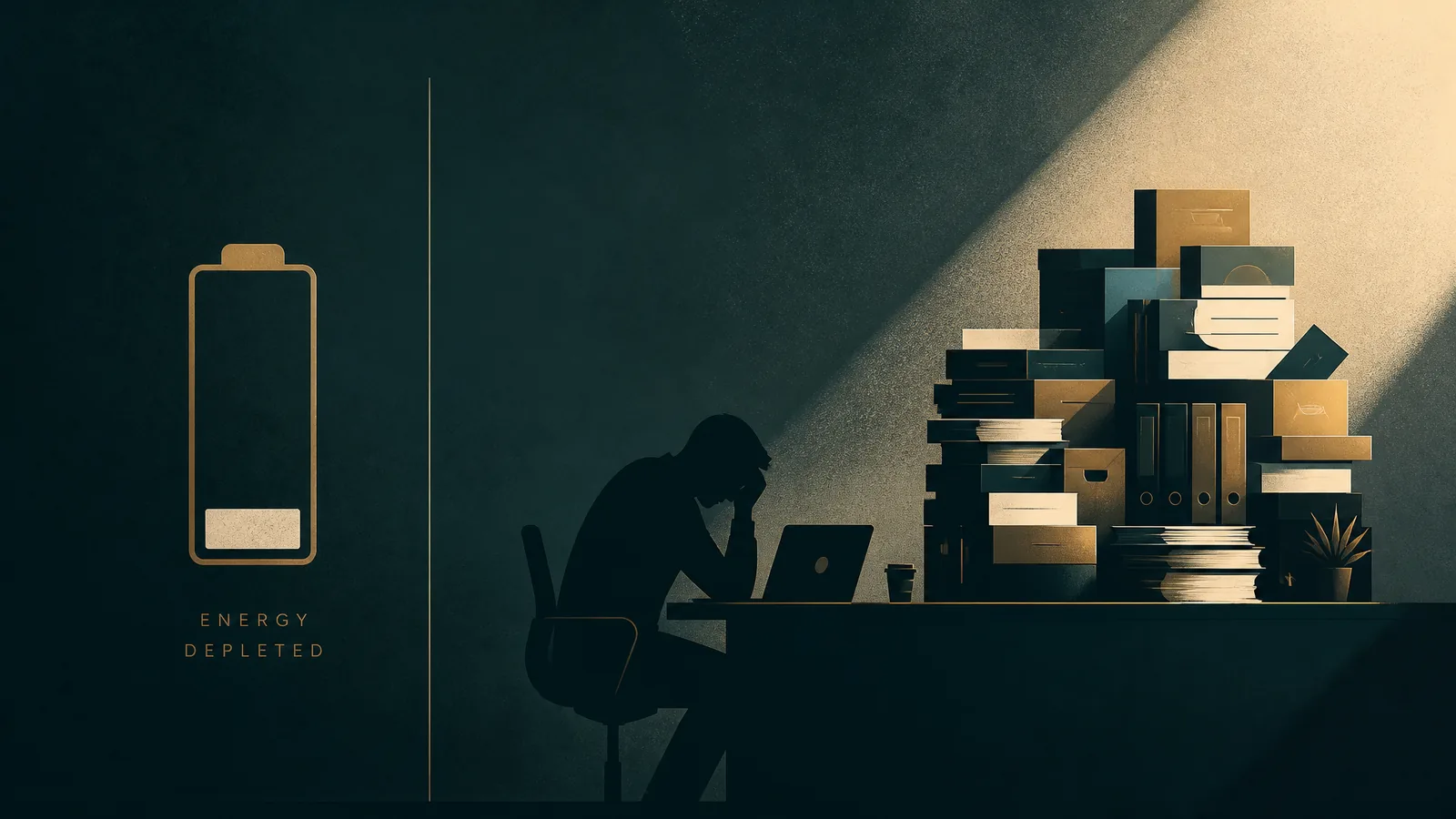
The faster we push, the more resistance we get. Energy is required to keep pushing, and going too hard for too long can lead to exhaustion, burnout, and a drop in performance.
Whilst surging through the ocean of business, we will encounter resistance. In addition, the faster we push the more resistance we get. This means that energy is required to keep pushing and going too hard for too long can lead to exhaustion, burnout and a drop in performance. For you and for the people in the bow wave. Understanding leadership responsibility is crucial to managing this energy.
The Wake: What You Leave Behind
At the same time, after our actions, we leave a wake behind us from being there. This can be a calm, serene space or it can be full of churn and eddies. This wake directly influences the organisational culture and employee engagement long after the leader has moved on.
Your wake is your lasting imprint on the people and culture around you. Long after you have moved on, that space you created remains. Make it calm, not churning.
Where is the friction in your team?
The Leadership Friction Finder pinpoints where effort is leaking, so you fix the cause rather than the symptom.
Questions Worth Sitting With
What I'd love for you to think about is what type of bow wave you want to create, and what is the wake that you want to leave behind. If you think about this in terms of the people and the interactions you have with them, what can you do to shift the environment you create so that it's a more positive and more beneficial space for them. Embracing conscious leadership and positive leadership can drastically change this environment.
For you, what can you do to reduce the energy drain for yourself and reduce the resistance you have to move through to get the results you want? This requires emotional intelligence and careful decision-making.
Building a Stronger Leadership Impact
To build a strong wake and a positive bow wave, leaders must focus on high performance leadership and servant leadership. Building trust and navigating change management effectively are key to maximising leadership impact. Insights from the Harvard Business Review, the Center for Creative Leadership, and utilising 360-degree feedback can greatly enhance your leadership development. Ultimately, true leadership impact drives innovation and sustained success.
Look forward to hearing your thoughts and I'll speak to you soon.
Start this week
Busy all day and still behind?
The Quick-Win Pack is five five-minute fixes for the overloaded leader, each built on a framework I use with paying clients. Every fix runs live on the page and hands you a finished, ready-to-use plan in minutes, with no AI account of your own needed. Just $19, and included free with AMPLIFY and the Six Week Reset.
Get the Quick-Win PackQuestions managers ask about this
How does a leader's behaviour affect team culture?
A leader's behaviour creates a 'bow wave' that impacts the team environment immediately and leaves a 'wake' that shapes ongoing culture. Positive actions can create space for growth and collaboration, while negative behaviour causes resistance, exhaustion, and lowered productivity. Being aware of this helps leaders shape a more supportive and effective team culture.
What is the impact of pushing too hard as a leader?
Pushing too hard generates more resistance from the team and environment, which requires extra energy to overcome. This can lead to exhaustion, burnout, and a drop in productivity for both the leader and their team. Balancing drive with sustainable effort helps maintain performance and reduces unnecessary strain.
How can I reduce energy drain in my leadership role?
To reduce energy drain, focus on creating a positive environment that lowers resistance. Reflect on the type of influence you want to have and adjust your behaviour to leave a calm, supportive wake. Avoid forcing progress too quickly and look for ways to ease decision-making and interactions within your team.
What questions help identify leadership bottlenecks?
Ask where decisions are stalling and at which level within your team. Reflect on whether you might be the bottleneck by reviewing recent leadership spends and their outcomes. Use diagnostic questions about how your week is spent to uncover friction points and areas where leadership actions may be causing blockages.
Explore this topic
Hear this discussed on the podcast
Episodes of The High Performance Leader that cover the same ground.

Jimmy Burroughes
FounderFormer British Army officer and corporate GM who has transformed nearly 3,500 managers into leaders across 30+ organisations. Creator of the Simplify to Amplify methodology, author of Beat Burnout, Ignite Performance, and two-time Global Recognition Award winner.
Keep exploring
Want to know where the drag really is?
Before you change anything, get an honest read on the friction slowing your team down. Take a short, free diagnostic and see exactly where the time is going.