Are You Sabotaging Yourself?
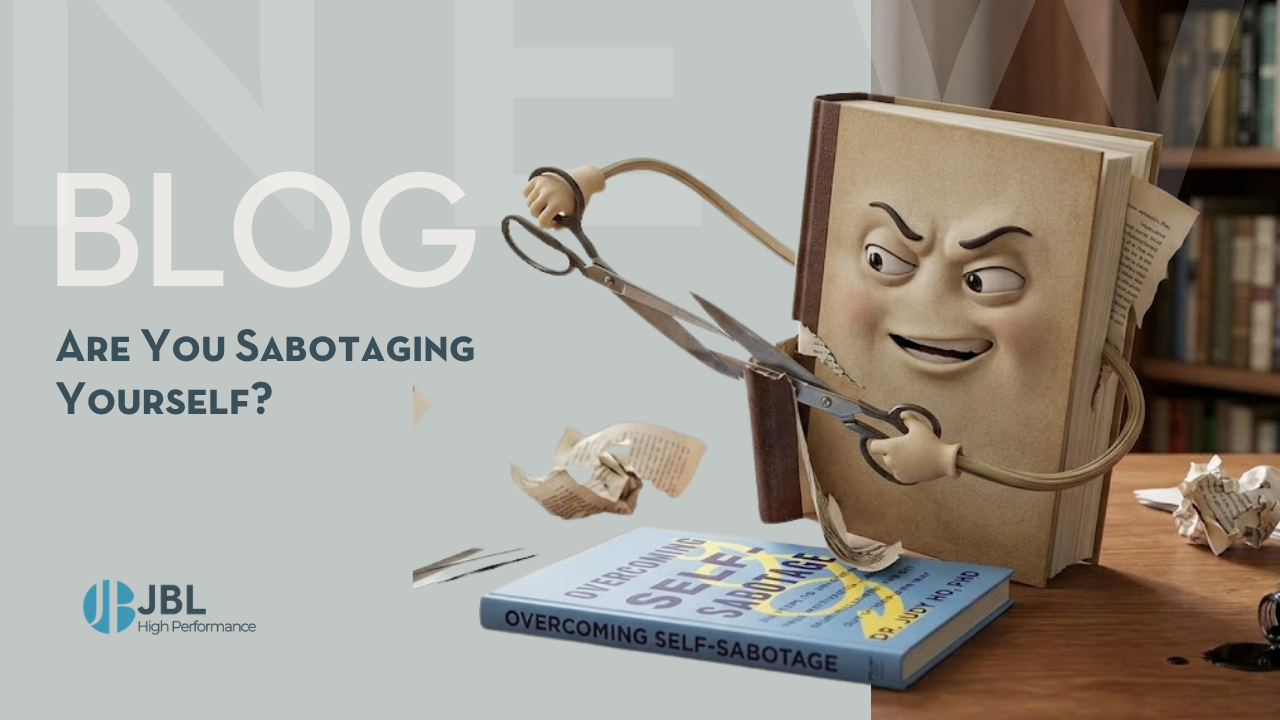
The last few weeks have been full of workshops with discussions on how to lead in the new world. New paradigms, challenges and situations. If you read this newsletter, you have certainly considered adapting. But how has it been going?
Your Leadership Energy Is Like a Candle Flame
In my book, I talk about your leadership energy being like a candle flame. Used well, you can light the way for others and provide warmth. Perhaps you can light fires in others to help them achieve their best. Misused, you can set things on fire or worse, burn people. This balance is crucial to avoiding the self-sabotage that often plagues leaders.
The idea of this little flickering flame also applies inside you. It needs balance to provide light and warmth (self-validation) but you don't want it to be burning too bright and consuming energy for too long (burnout and frustration). Often, a fixed mindset or limiting beliefs can cause this flame to burn out of control.
Are you burning bright, or are you burning out through needless actions and thoughts which aren't serving you?
The Doubts That Get in the Way First
Before we even get to named frameworks, it is worth naming the raw experience. Many leaders I work with spend considerable energy wondering whether they are genuinely qualified to be in the room, whether their thinking is worth sharing, or whether success so far has simply been luck. Dr Harold Hillman's book The Imposter Syndrome is useful reading for anyone struck by anxiety about being "found out" as a sham or occupying a role they feel they shouldn't be in. It is a more common experience than most senior people admit, and it quietly drains the flame.
The question worth sitting with is not whether the doubt exists. It almost certainly does. The question is whether you are letting it make decisions for you.
Who You Spend Time With Matters
One of the most practical observations on this comes from a simple idea: you are the average of the five people you spend the most time with. If you want to think and act differently, the people around you need to reflect the standard you are aiming for. That means actively seeking out people who have tried, failed and succeeded in the territory you are navigating, rather than defaulting to those who confirm your existing ceiling.
This is not about networking for its own sake. It is about being deliberate with whose thinking you absorb and whose doubts you allow to land.
Where is the friction in your team?
The Leadership Friction Finder pinpoints where effort is leaking, so you fix the cause rather than the symptom.
Recognising Your Saboteurs
The question turns to where your energy is being used. These are saboteurs for your style. We often see this manifest as procrastination or intense negative self-talk.
I came across an amazing tool called Positive Intelligence as I have been looking at this topic with leaders, and I wanted to invite you to gain some value. Understanding the Self-Sabotage Cycle is key to breaking free from these patterns.
How to Start: A Simple Three-Step Process
- Take the free assessment to find out which are your saboteurs. I just think it's a great way of gaining insight to start a conversation. (My top saboteur is The Stickler.) This exercise builds personal accountability and encourages a growth mindset.
- Once you get the report, understand the impact it might be having on your flame.
- Take personal responsibility for these thoughts. That is the first step toward overcoming cognitive distortion and building self-esteem.
Taking personal responsibility for your sabotaging thoughts is the first step toward overcoming cognitive distortion and reclaiming your leadership energy.
Practices That Help
Beyond the Positive Intelligence framework, a number of practical habits make a genuine difference when the inner noise gets loud.
- Mindfulness and self-compassion. Noticing the thought without immediately acting on it creates a small but important gap.
- Positive affirmations used deliberately, not as wallpaper. Replacing a specific limiting belief with a specific counter-statement is more useful than generic encouragement.
- Embracing vulnerability as a component of resilience rather than a weakness to be managed. Brené Brown's work in Daring Greatly and The Gifts of Imperfection explores this in depth.
- Choosing your environment carefully. The people, conversations and inputs you expose yourself to daily either reinforce the saboteur or crowd it out.
Beat burnout before it beats your team
Beat Burnout, Ignite Performance is the practical playbook for protecting your energy and your people.
When Self-Sabotage Runs Deeper
While Positive Intelligence is a great tool, deep-seated self-sabotage can sometimes stem from imposter syndrome, perfectionism, or a profound fear of failure. If these behaviours are causing severe anxiety or depression, it may be helpful to explore cognitive behavioural therapy to support managing negative self-talk and reclaiming your leadership energy.
Where to Take This Next
If your leaders second-guess themselves on the calls that matter most, that is friction in the system rather than a lack of effort. Take the Leadership Friction Finder and see where the drag actually sits. It takes a few minutes.
If you would rather keep reading, here are more articles on leadership mindset.
Start this week
Busy all day and still behind?
The Quick-Win Pack is five five-minute fixes for the overloaded leader, each built on a framework I use with paying clients. Every fix runs live on the page and hands you a finished, ready-to-use plan in minutes, with no AI account of your own needed. Just $19, and included free with AMPLIFY and the Six Week Reset.
Get the Quick-Win PackQuestions managers ask about this
How can I identify habits that reduce my leadership effectiveness?
Look for actions and thoughts that drain your energy without positive results. Notice if you or your managers second-guess decisions on important calls, as this indicates friction rather than lack of effort. Use a simple diagnostic to find where decision-making stalls and which behaviours are causing delays or burnout.
What does it mean when leaders are burning out instead of performing?
Burnout happens when leadership energy is overused or misdirected, like a candle flame burning too bright for too long. This consumes energy and leads to frustration, rather than providing steady motivation and support. Balance your energy to maintain clarity and avoid needless actions that wear you down.
Why might managers not be the root cause of team problems?
Managers often reflect issues stuck in the system rather than causing them. Problems can arise from unclear decisions or lack of support from their own leaders. Checking what has changed after leadership decisions helps reveal where friction and bottlenecks actually lie within the hierarchy.
How can I find out if I am the bottleneck in my leadership team?
Ask yourself where your time is really spent during the week. Use targeted questions to identify if decisions are stalling at your level or below. This helps reveal if you are unintentionally slowing progress by holding onto too many decisions or not delegating effectively.
Explore this topic
Hear this discussed on the podcast
Episodes of The High Performance Leader that cover the same ground.

Jimmy Burroughes
FounderFormer British Army officer and corporate GM who has transformed nearly 3,500 managers into leaders across 30+ organisations. Creator of the Simplify to Amplify methodology, author of Beat Burnout, Ignite Performance, and two-time Global Recognition Award winner.
Keep exploring
Want to know where the drag really is?
Before you change anything, get an honest read on the friction slowing your team down. Take a short, free diagnostic and see exactly where the time is going.