


From Burnout to Brilliance
Senior leaders, executives, and managers feeling overwhelmed by overwork who want practical tools to protect their well-being and elevate team performance.
What the conversation covers
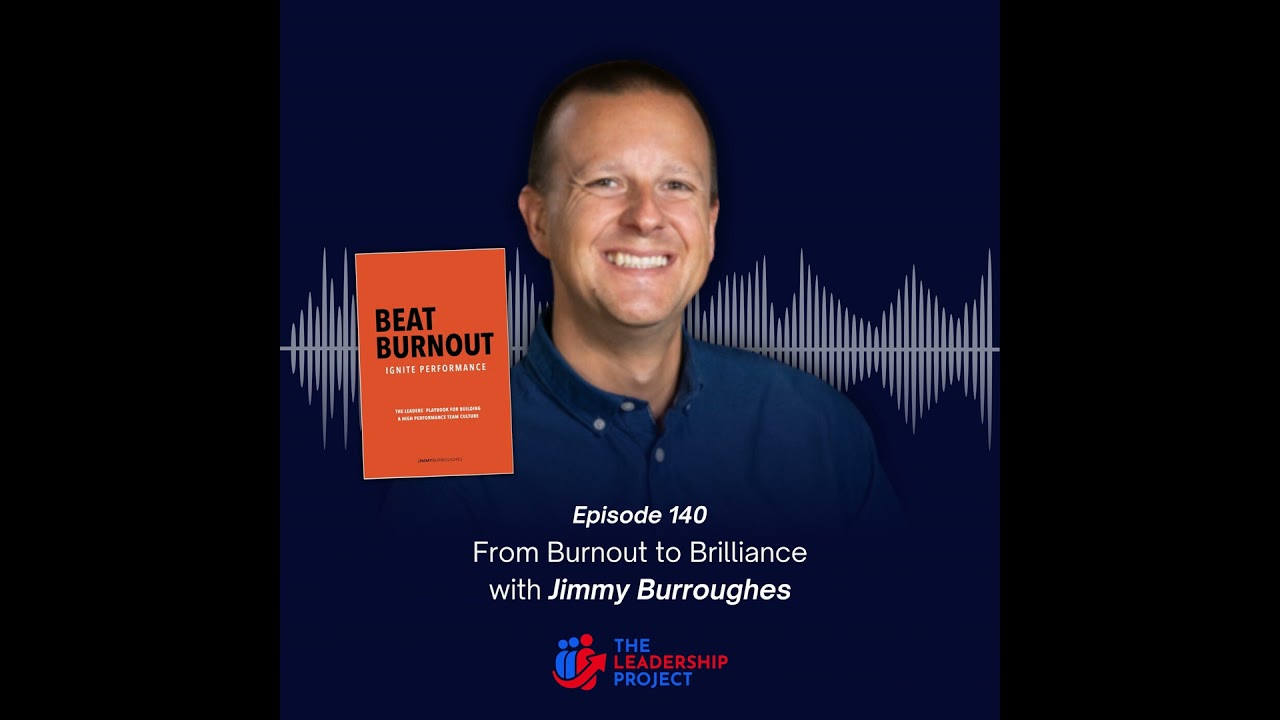
Jimmy Burroughes joins host Mick Spiers on The Leadership Project to discuss the path from burnout to high performance. Reflecting on his early career as an army officer deployed to Basra at age twenty three, Jimmy explains the imposter syndrome he felt stepping into command of experienced soldiers. He quickly learned that leadership is not about being the ultimate technical expert, but rather asking the right questions, listening to collective knowledge, and facilitating effective decisions.
The conversation examines why high-performing professionals routinely slide towards exhaustion. Jimmy details his personal burnout experience as a general manager in New Zealand in 2017, where constant travel, non-stop meetings, and organizational pressure drained his energy. He unpacks how leaders become addicted to the dopamine hits that come with firefighting and being the central solver. This dynamic creates an unhealthy dependency culture that suffocates team initiative and traps leaders in an escalating cycle of overwork.
To counteract burnout, Jimmy outlines practical methods for self-awareness and sustainable team cultures. He introduces the 80 percent line exercise to help individuals establish their personal baseline behaviors and identify warning signs when pushing into dangerous overwork. Mick and Jimmy emphasize the need to redefine success away from excessive hours and toward intentional recovery, regular care check-ins, and building environments where teams are trusted to co-create solutions.
Finally, Jimmy shares actionable advice for managers on conducting short, regular one-on-one connections that focus on personal well-being rather than task lists. By looking for persistent patterns of pain or excitement without trying to rescue individuals, leaders can support their people sustainably. Jimmy underscores that lasting business results stem from pacing the organization deliberately, protecting downtime, and shifting from an individual expert identity to that of an enabling conductor.
“If we were to see them as a pool of resources or a toolbox instead, it is the difference between being a builder and turning up to a building site, opening your toolbox, and you have got one tool in there.”
Key takeaways
- Adopt the toolbox mindset: treat team expertise as resources to leverage rather than trying to remain the sole expert with every answer.
- Shift focus from proving individual worth to facilitating team success, moving from reactive lizard-brain anxiety back into deliberate executive thinking.
- Recognize dopamine addiction in leadership, where fixing crises generates short-term emotional rewards while trapping the team in unhealthy dependency.
- Slow and channel organizational cadence: focus on doing a few critical priorities thoroughly rather than constantly multitasking across dozens of projects.
- Use the 80 percent line exercise: define baseline healthy behaviors to readily spot warning signs when slipping into overwork.
- Conduct weekly 10 to 15 minute care check-ins with team members focused on human connection rather than operational status updates.
- Adopt person-before-position leadership: notice persistent patterns of pain or excitement, holding supportive space without stepping in to rescue.
Where this shows up in your business
The ideas in this conversation come from the Simplify to Amplify method. To see where friction is costing your team time, try the free Leadership Friction Finder, or browse all of Jimmy's guest appearances.
Summary written by JBL High Performance from the episode audio. The episode belongs to The Leadership Project Podcast and Leadership Project Team.